As our journey carried us closer to Inverness, the bustling heart of the Scottish Highlands, an adversary emerged on the roadway—the notorious roundabout. In hindsight, I had underestimated the challenge of these circular intersections. My earlier experiences with rotaries in Cape Cod and Sedona, Arizona, had fostered a sense of complacency. How bad could they be? Worst-case, you simply circle around again, right? Wrong.
Scottish roundabouts were a different beast. It was not a matter of simply going with the flow; one had to correctly select the appropriate lane before entering, contingent upon the desired exit. Many times, I found myself exiting prematurely or compelled to complete an unintended lap because I had chosen the wrong entry lane. While I encountered few issues negotiating Scotlands roadways, roundabout anxiety was a peculiar nemesis amidst an otherwise smooth journey. Not only that, traffic lights governed the entrances to these traffic circles! I thought their raison d’être was to eliminate traffic lights. So tell me, good people of Scotland, what exactly is the point?
After negotiating a series of these, we made our way to our first stop, the Culloden battlefield near Inverness. This was the site of a bloody and brief battle in 1746.
This informational plaque hit home:
“In the years after Culloden, hundreds of Jacobite prisoners were deported to plantations in North America and the Caribbean.” However, mass emigration from the Highlands and the Hebrides were not a direct result of Culloden. “Emigration mania first swept the region twenty years after the battle, fueled by spiraling rents, increased insecurity, and the breaking of clan ties. Between 1770 and 1850 many thousands of Gaels were forced to leave their country, displaced to make way for new farming practices, in what became known as the Highland Clearances.” Might this explain why our Scottish ancestors left for Canada? Our ancestors were swept up in this emigration mania, but the specific story is still unknown.
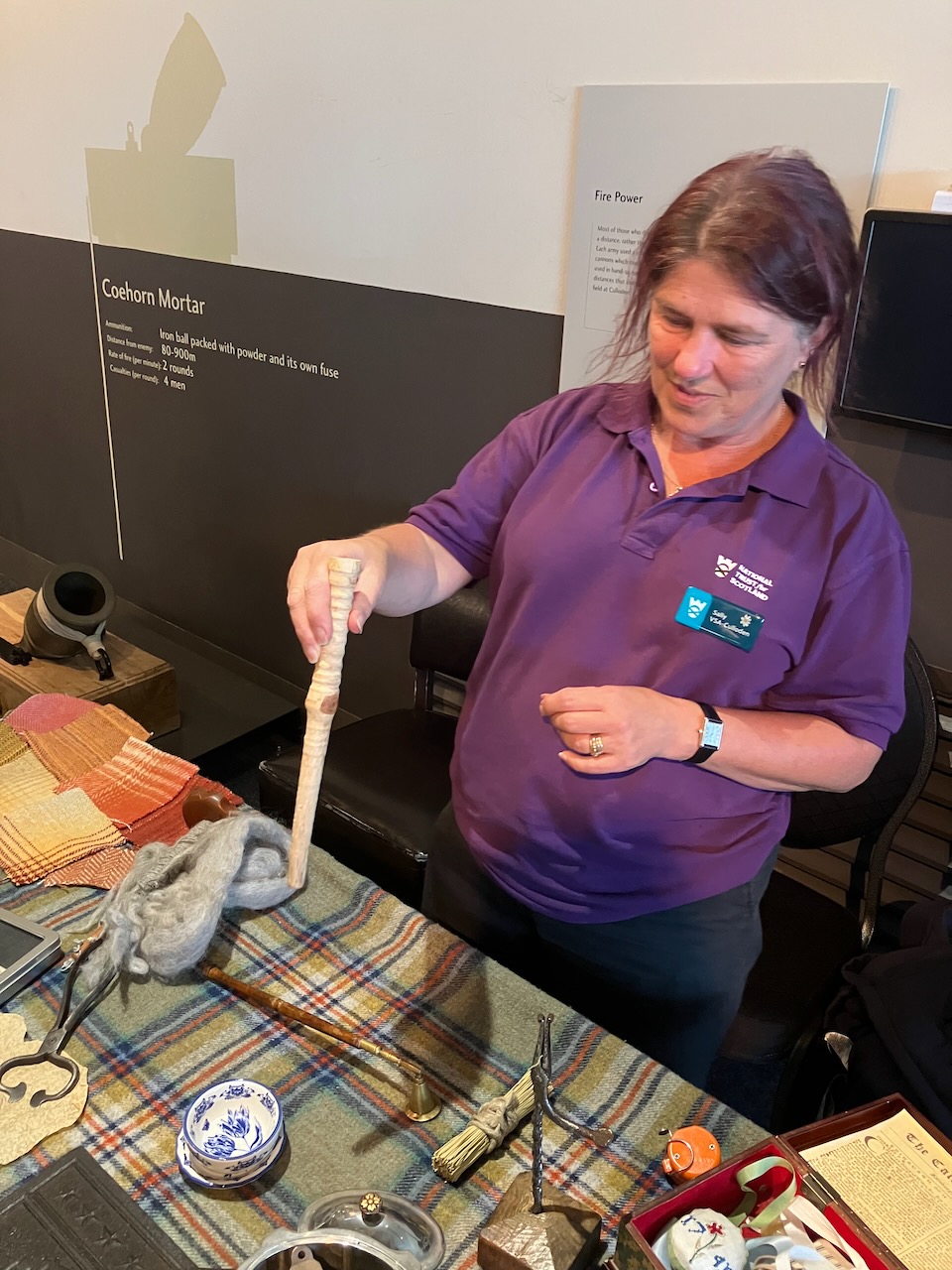
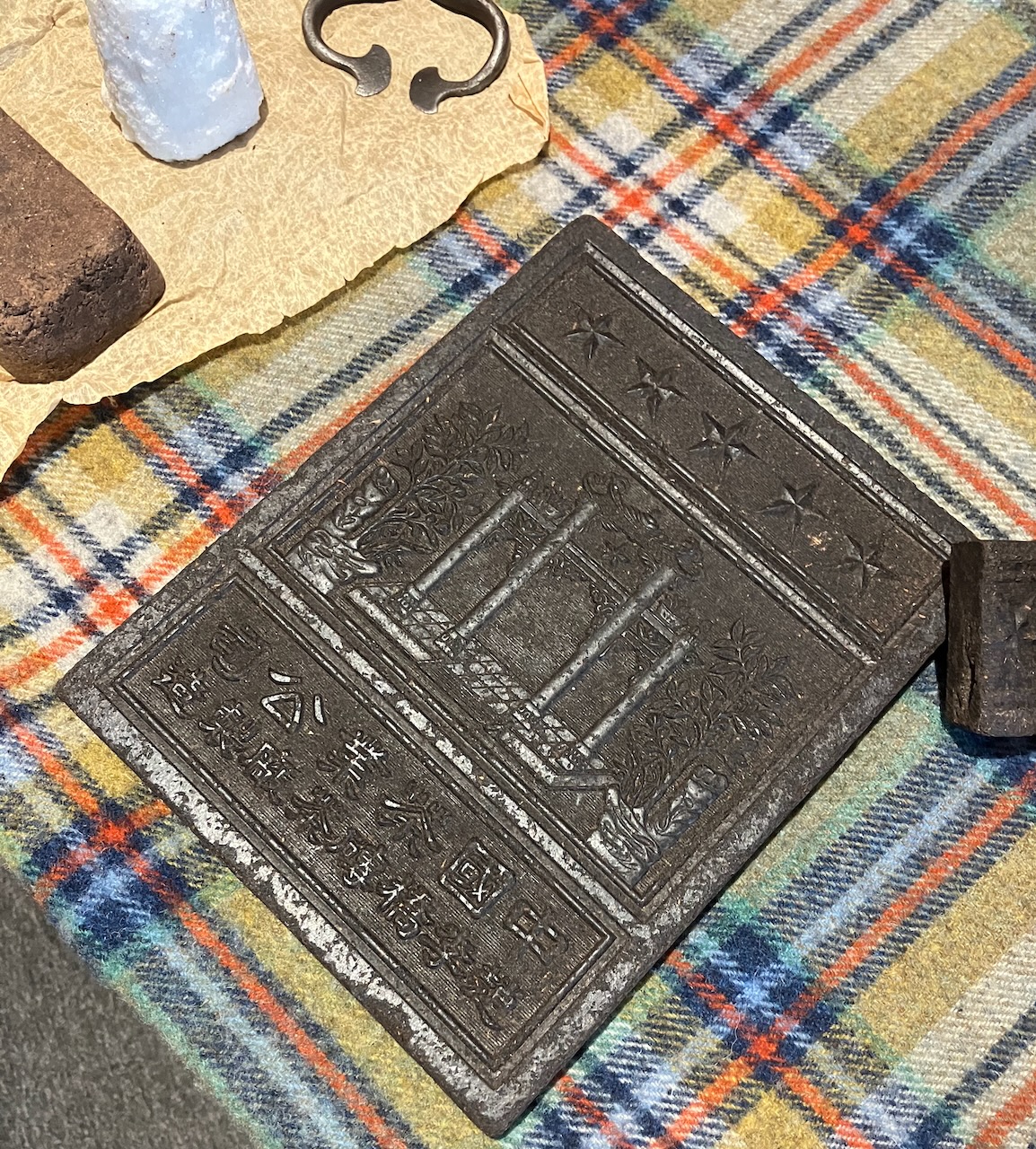
Besides the bloody history of the battle itself, in which the Jacobites were dealt a decisive defeat, the Culloden museum shared other interesting details about what life might have been like for our ancestors there. For instance, the importance of a spurtle (made for stirring porridge, held below). We learned what imported tea looked like at that time – in brick form – along with the special tools designed to shave off enough for a cuppa.
Another interesting data point is that the tartans that we associate with various clans are a relatively new phenomenon that came about with the advent of textile industrialization in the late 1800s. Prior to that, a clan member would wear whatever plaid a local weaver might produce, without any standardization.
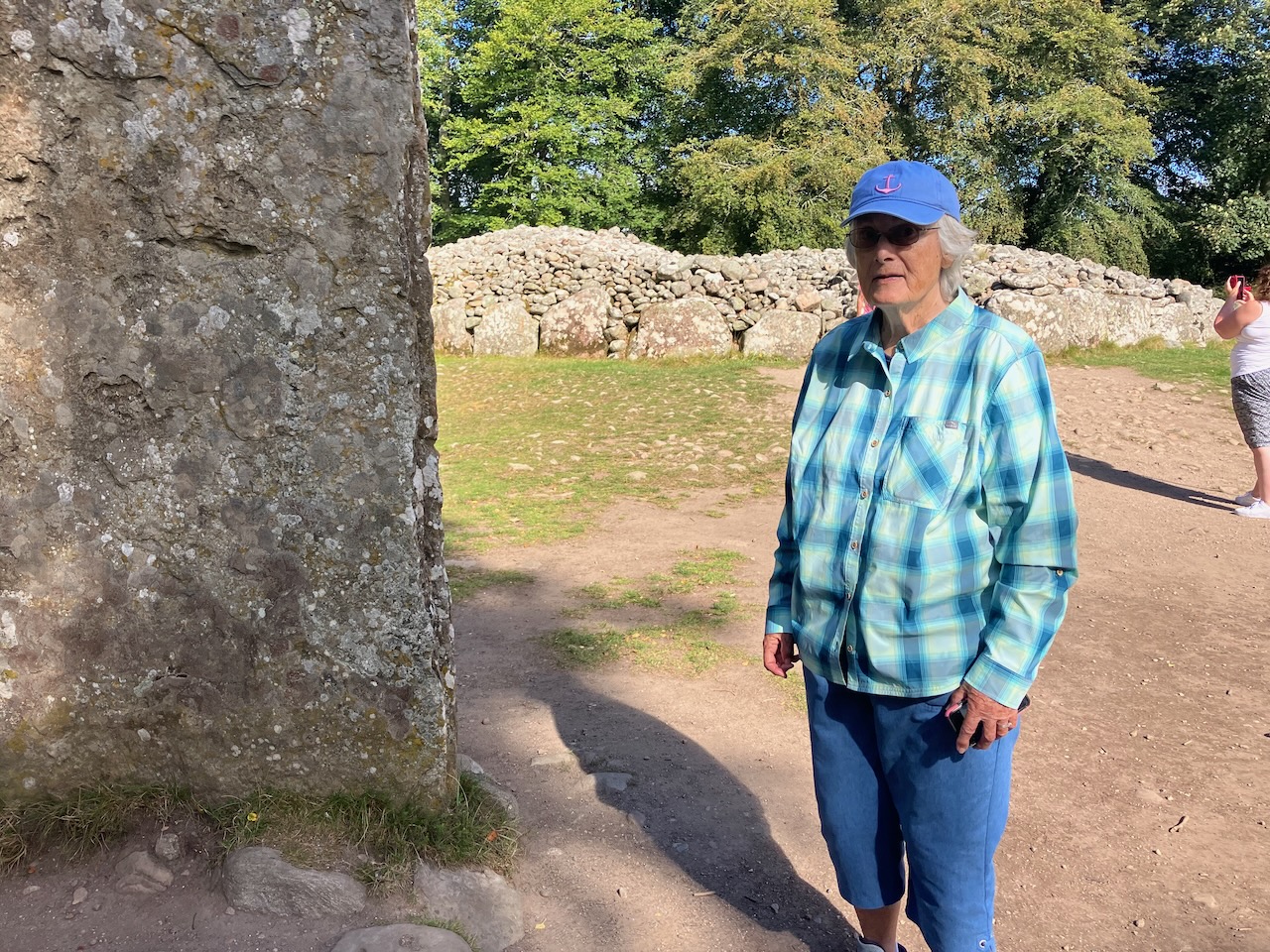
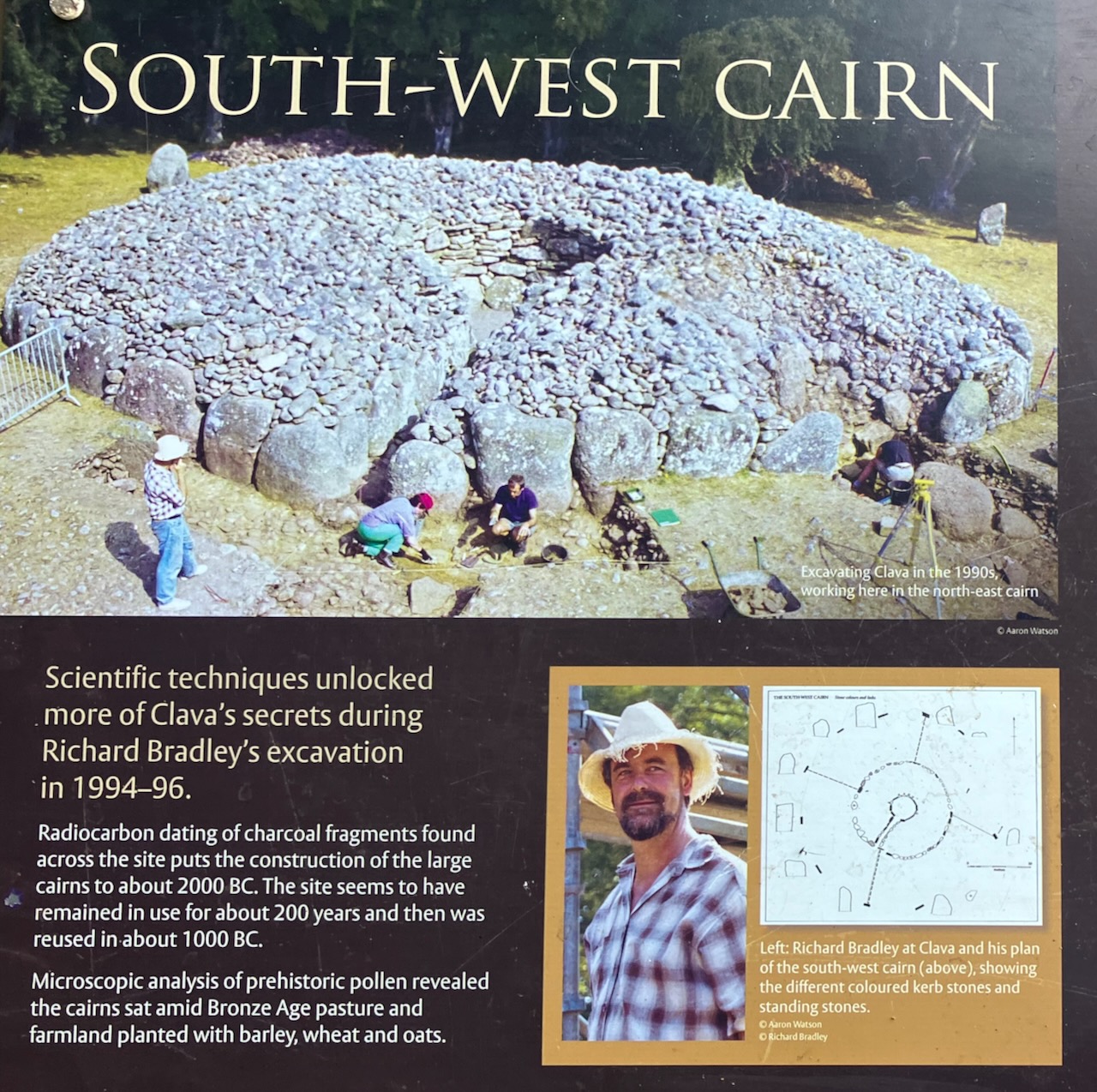
On to Clava Cairns. After leaving the windswept battlefield, our next stop was a neolithic site, the Clava Cairn site, a prominent remnant of Pict culture that featured standing stones and stone circles (think Stonehenge). The Picts could be thought of as an aboriginal people of Scotland, but these islands have seen innumerable tides of migration and conflict over the centuries, so the Picts may not have been the original Homo sapiens who peopled the British isles.
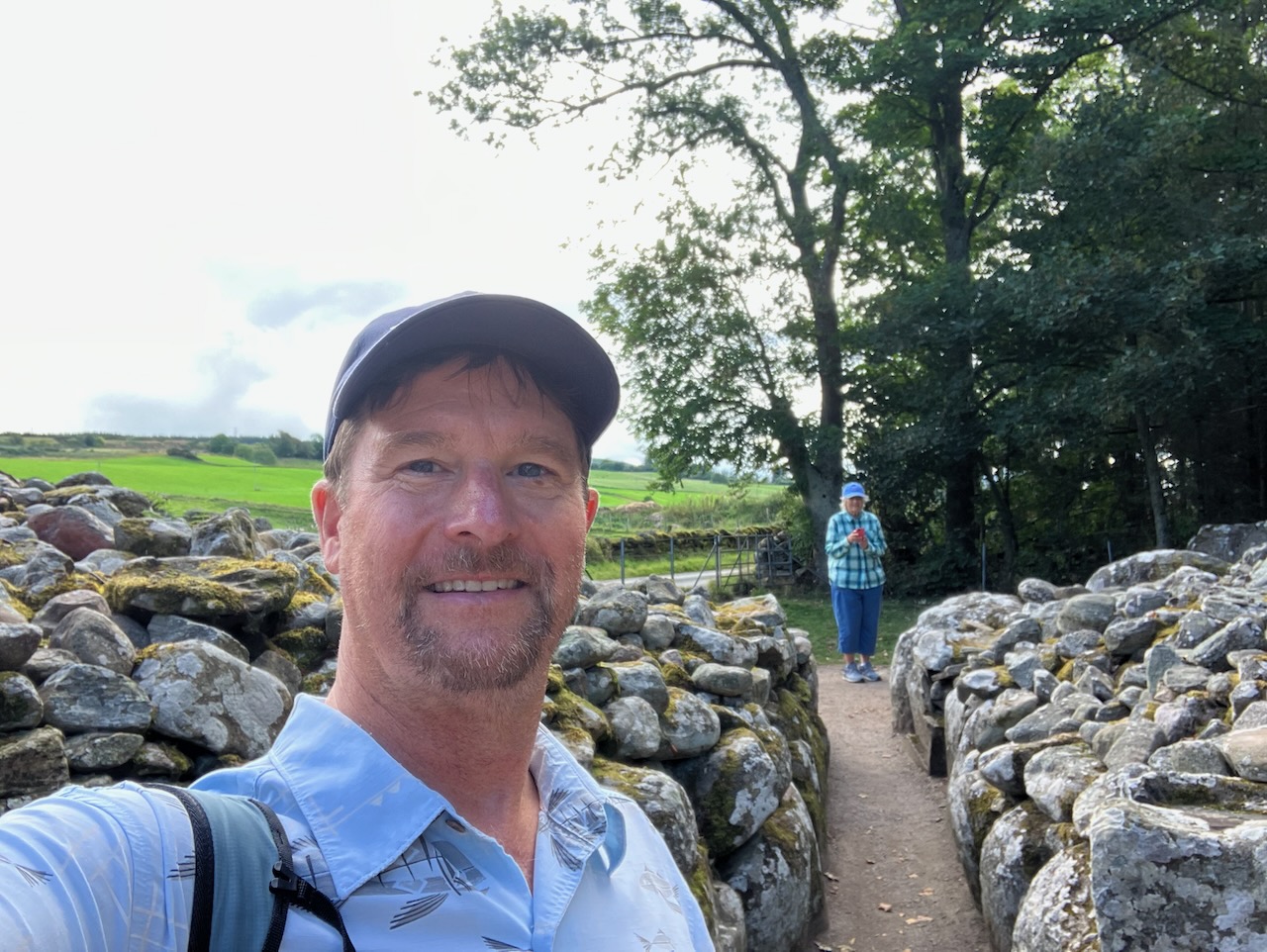
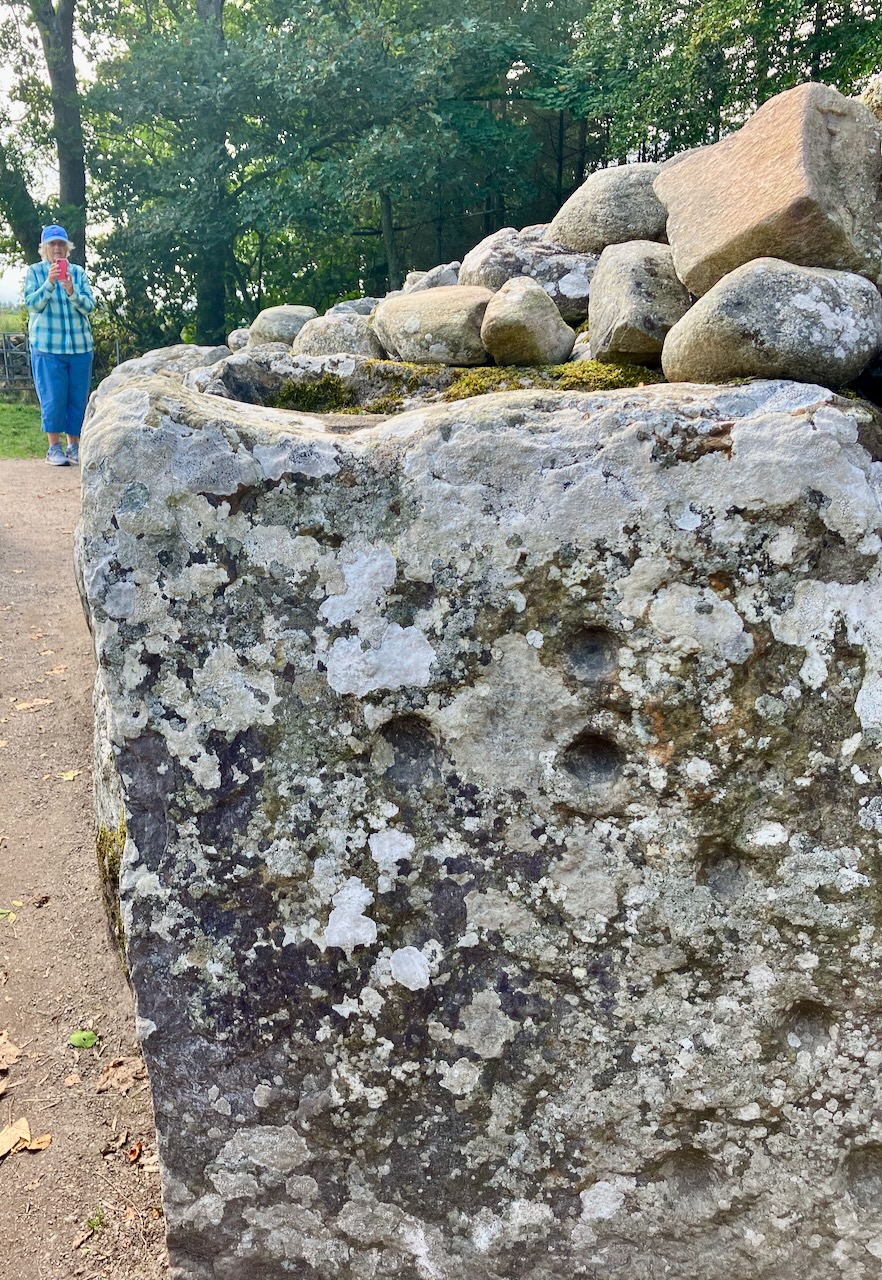
Pictographs made by the eponymous Picts.

After imbibing neolithic culture at the Clava Cairns, we headed to nearby Cawdor castle, which looked straight out of Game of Thrones.

Be Mindful – the motto of the Thane of Cawdor – might have referred to the secret trap door. The castle’s entrance featured a hatch underfoot that would pitch unwelcome entrants into the dungeon below. We avoided that unceremonious fate, instead touring this historic place alongside a bus load of Dutch visitors.

Tapestries based on Cervantes’ Don Quijote
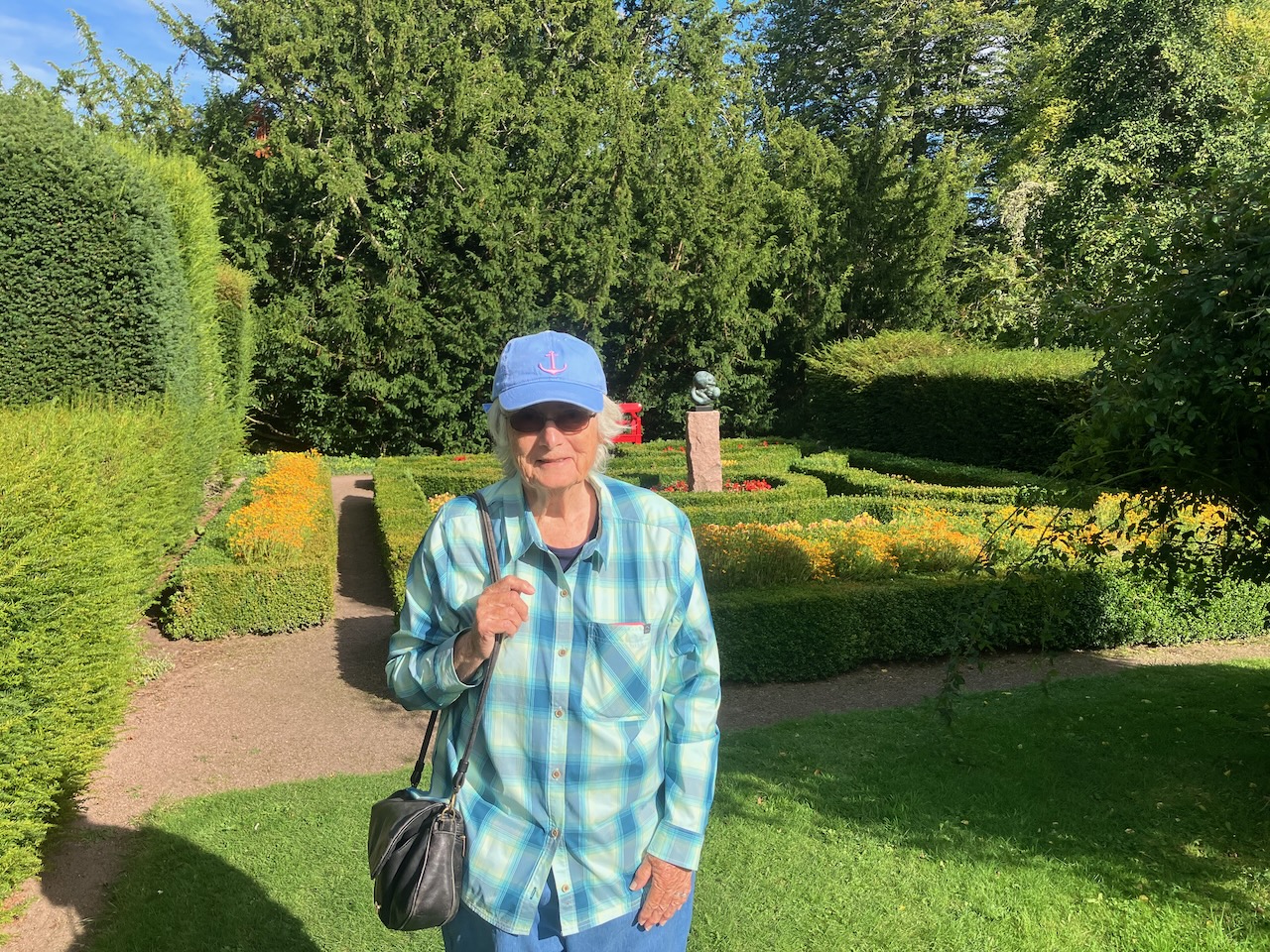
Gardens at Cawdor castle. Having had enough opulence, we headed to the coast for a fish dinner.
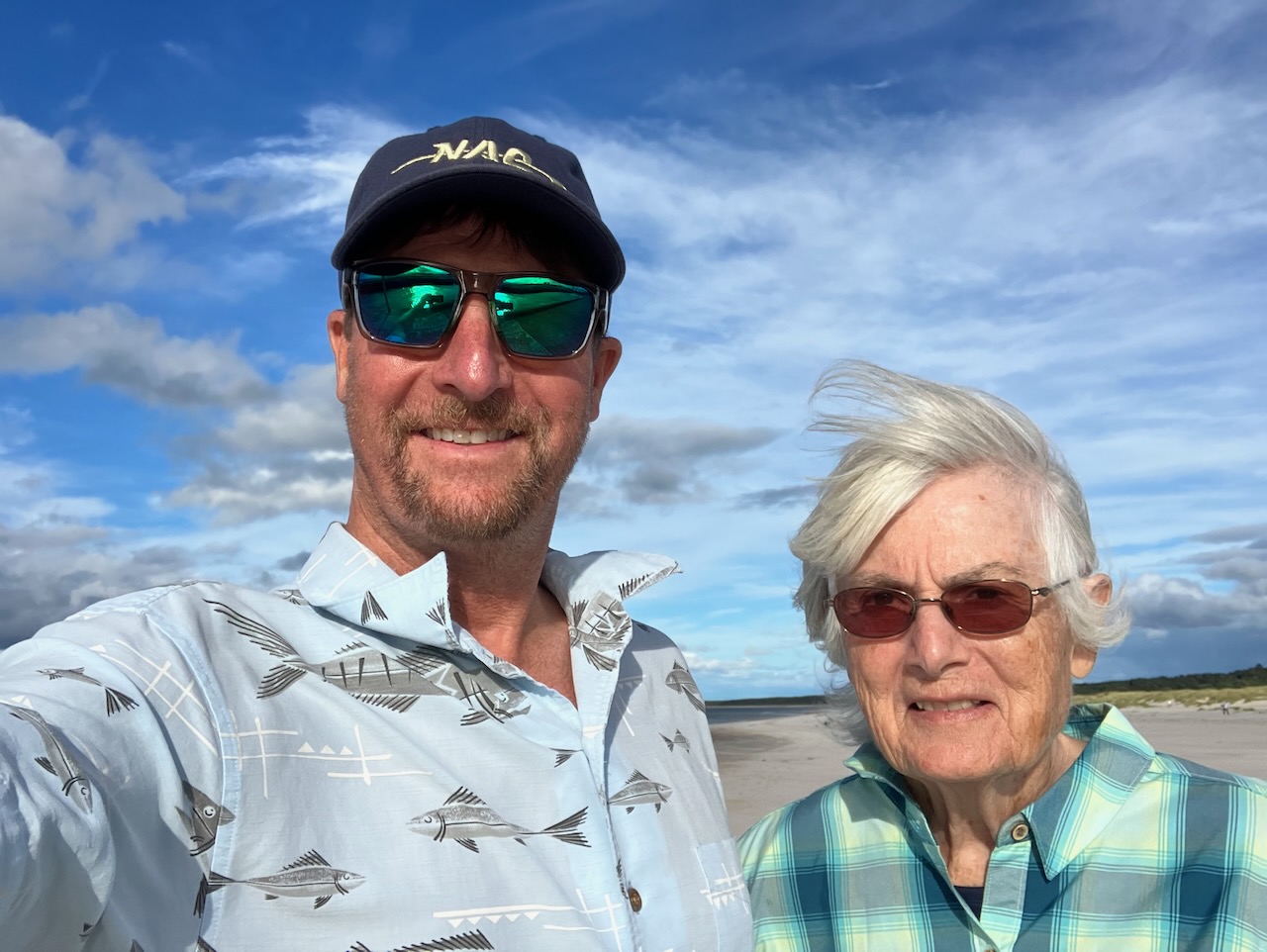
Beach time at Nairn. Like all the salt watery places in Scotland, I wished we had more time here. Of course, I went for a swim.
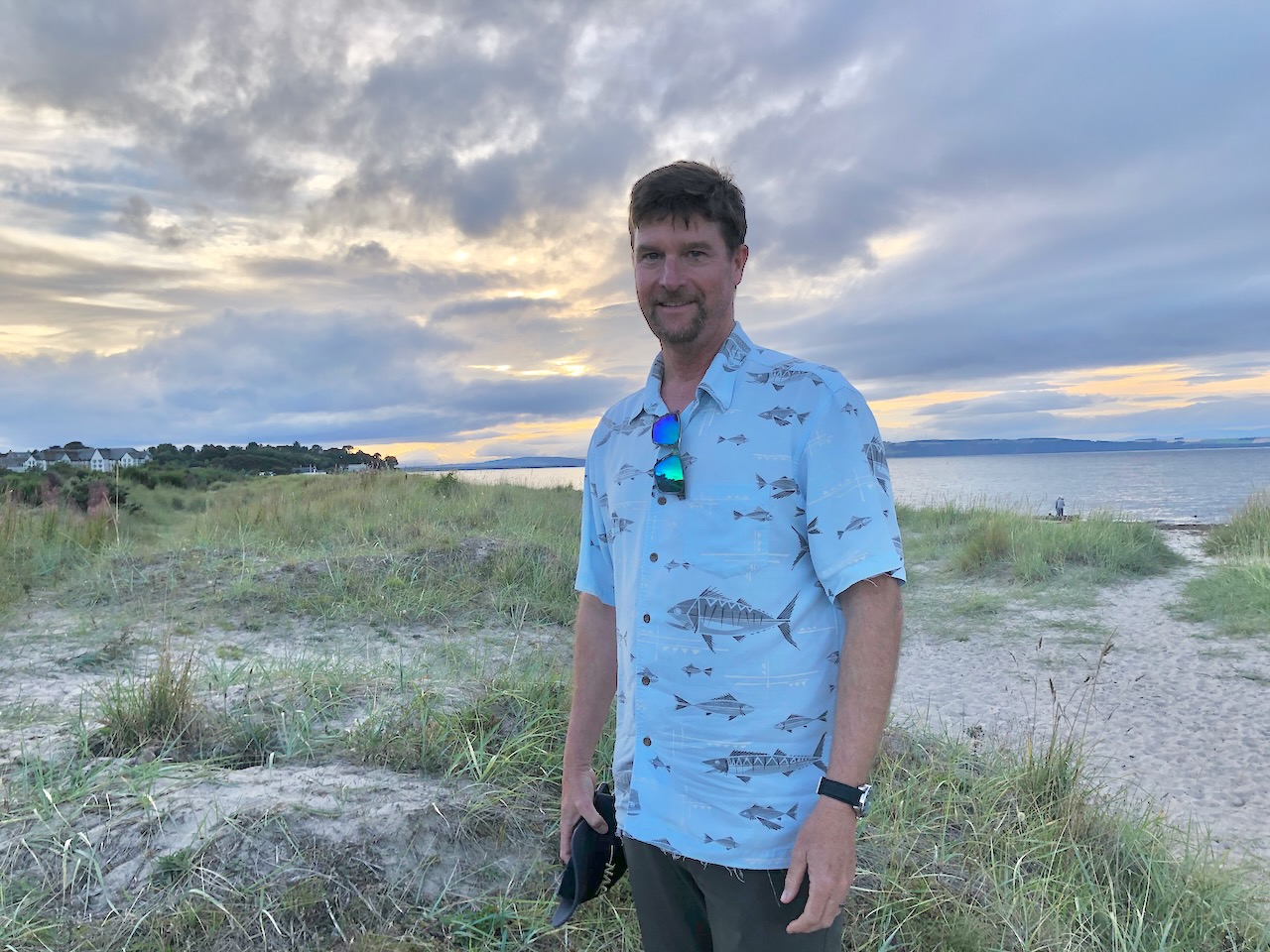
Nairn – a Medieval era town with beautiful white sand beaches.
After completing my swim, it was time for dinner. We approached the harborside restaurant, where we were once again turned away because we lacked the foresight to call ahead and reserve a table. Of course, we really had no idea where we’d end up this fine Saturday evening. Rejected, we found a busy diner catering to a younger, blue-collar crowd. There, in point of fact, we had a very serviceable dinner, complete with wine and Scottish whiskey, thank you very much.
Into the Cairngorms: Grantown on Spey, The Ladies Wood and Loch Morlich
Our Highland journey carried us further into the heart of the Cairngorms, a realm of Caledonian pine forests and wildlands. Grantown on Spey, our next destination, was a Victorian era vacation spot at the edge of the vast national park.
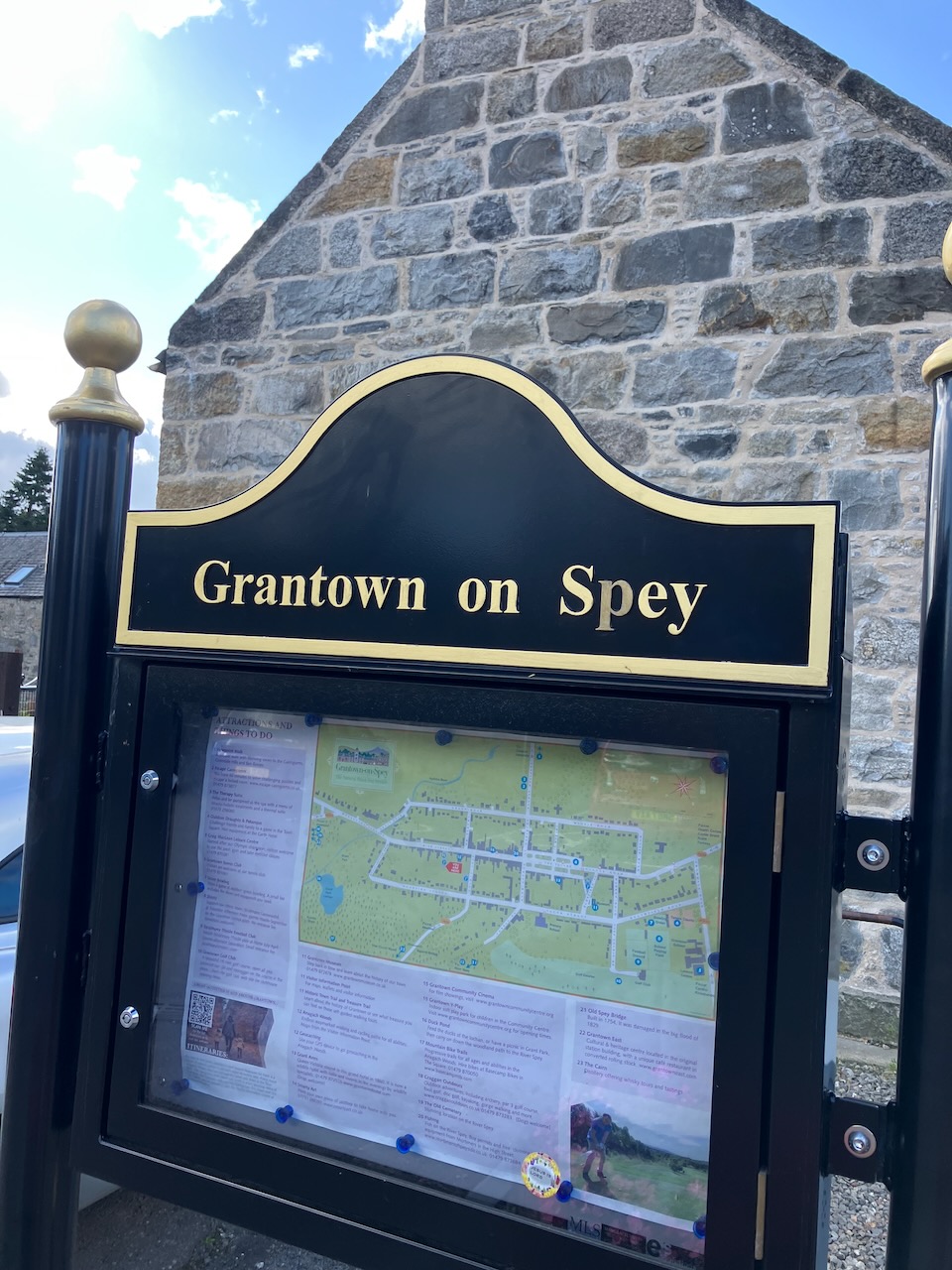
What is Spey?, you may ask as Omi did. The historic river Spey wound through the nearby countryside. We met some Canadian tourists who intended to canoe down the Spey and camp on their way to their downstream destination. We opted instead to drive. The next morning, the Cairngorms National Park unfolded through our windshield as we drove to the town of Aviemore and then onward to the picturesque Loch Morlich.
We were told that we were indeed fortunate to arrive on a day with sunshine and relative warmth. The year had been uncharacteristically cold, but it warmed up in time for our visit, as befitted us Southwesterners. We embarked on woodland hikes near Loch Morlich, where native wildlife rustled in the underbrush. We read that red deer and the elusive capercaillie thrived in these woods, but they remained unseen, deep in this wild terrain.
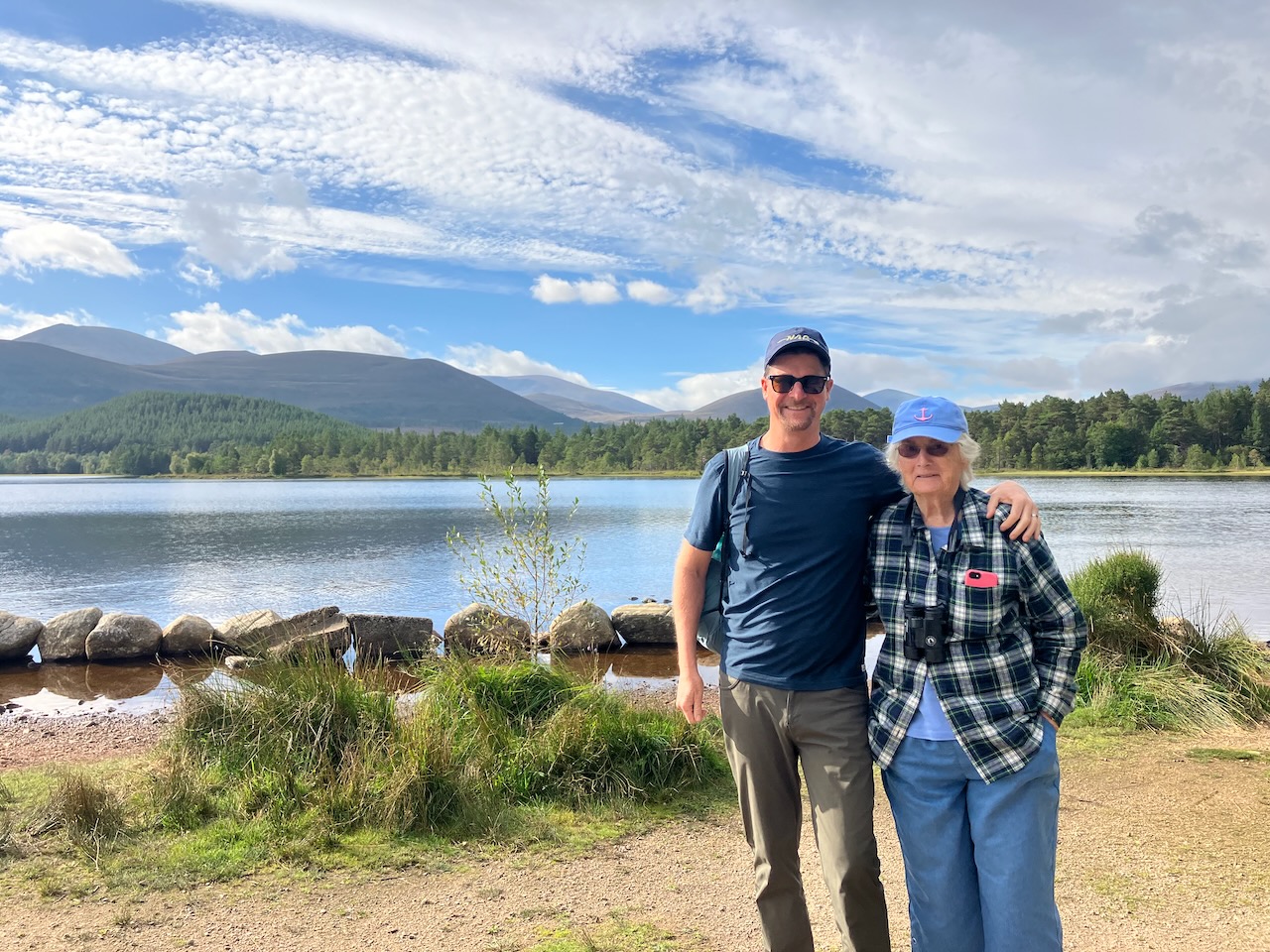
Good morning from Loch Morlich

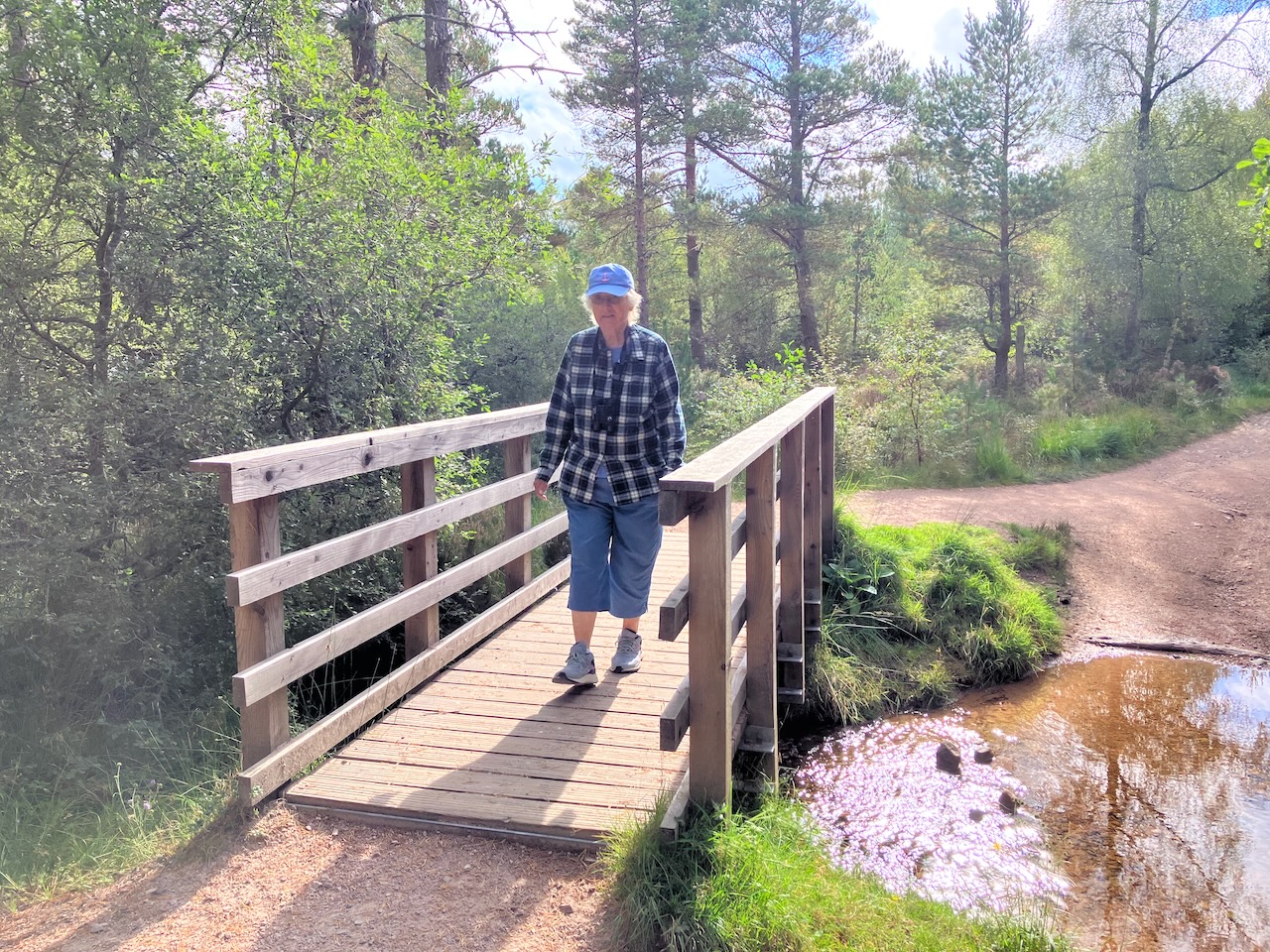
The turnaround point for our Cairngorms hike
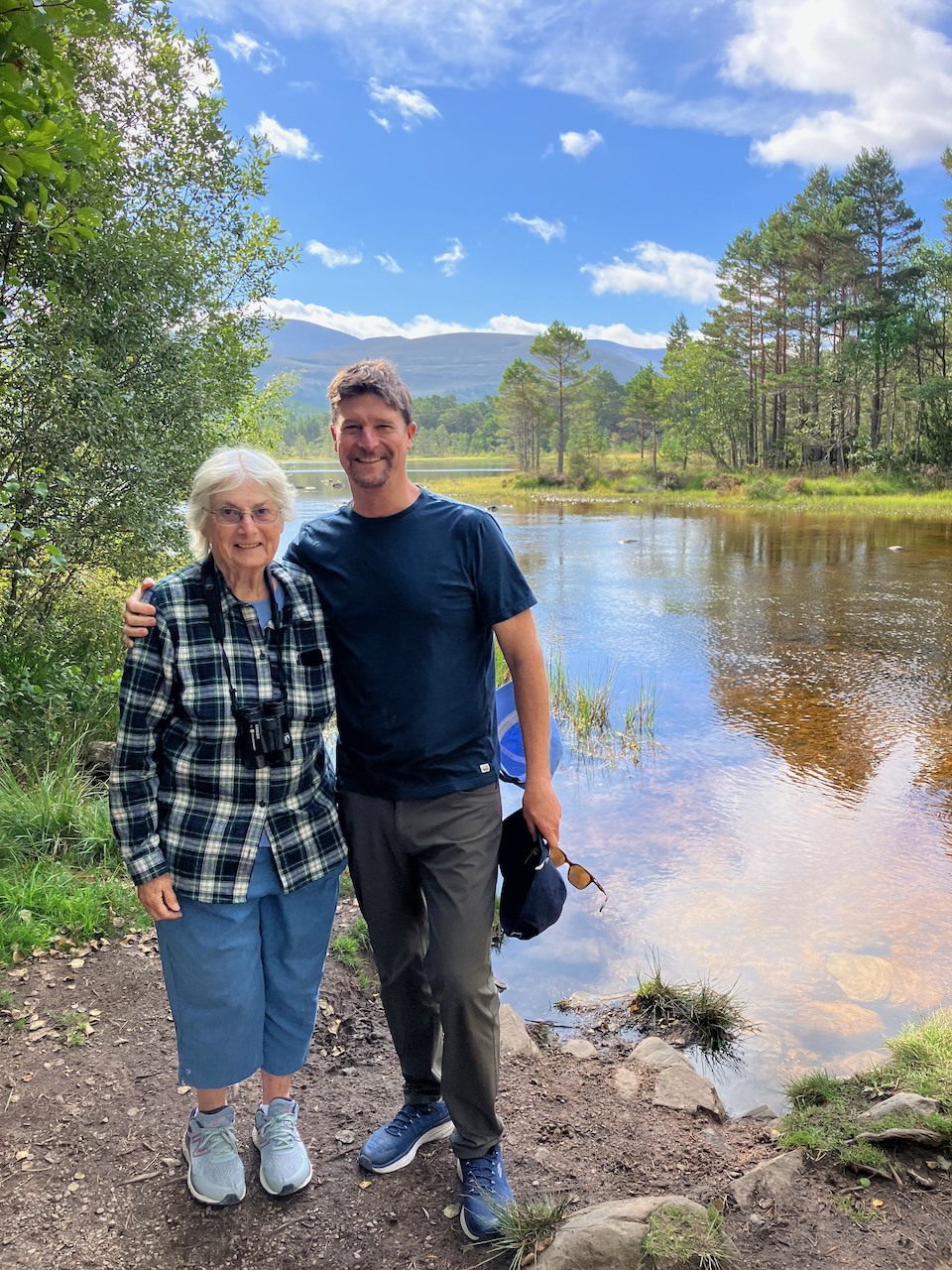
Spectacular weather when we arrived at Loch Morlich.
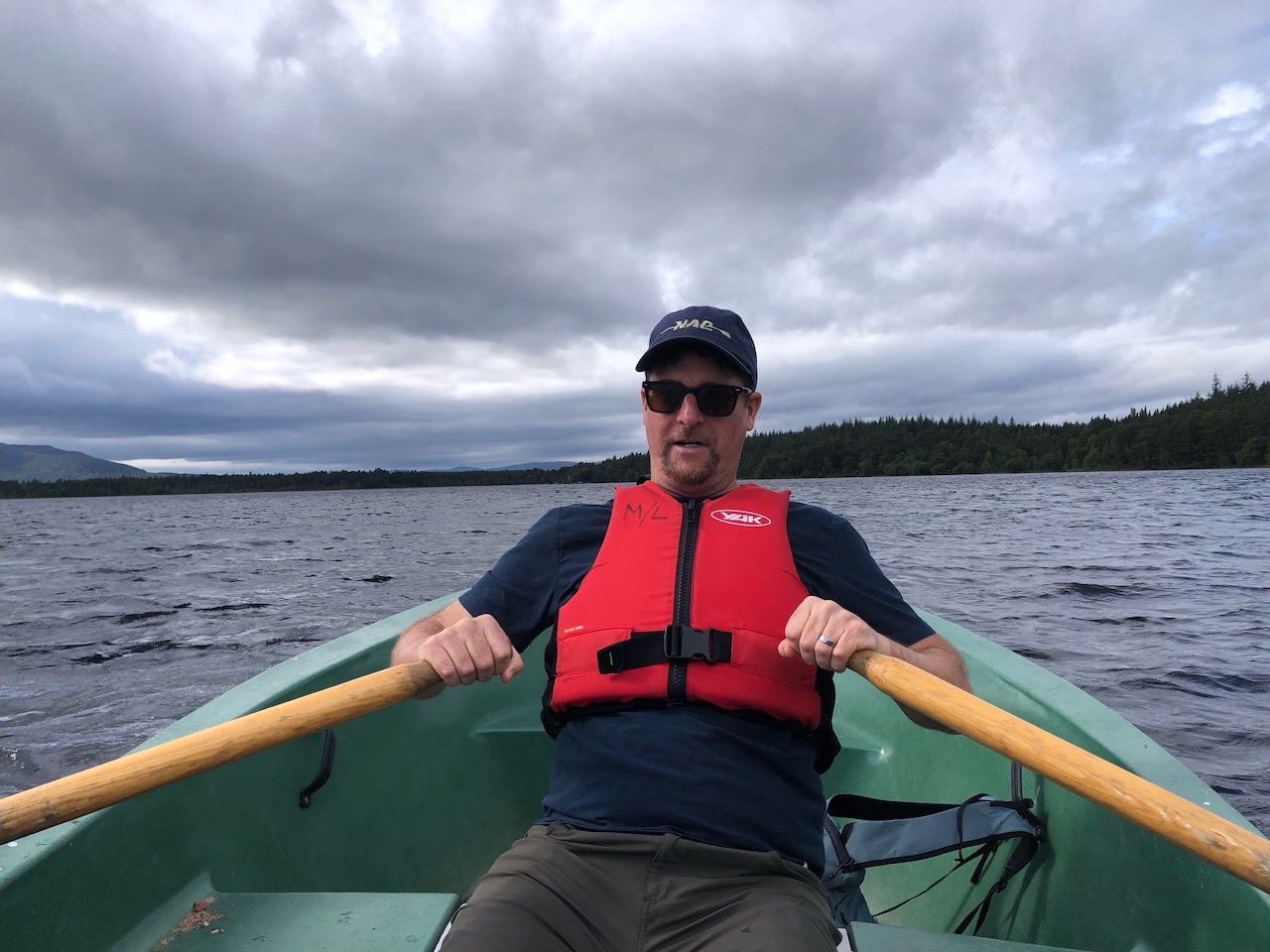
By the afternoon, a few dark clouds proceeded over the windy lake.
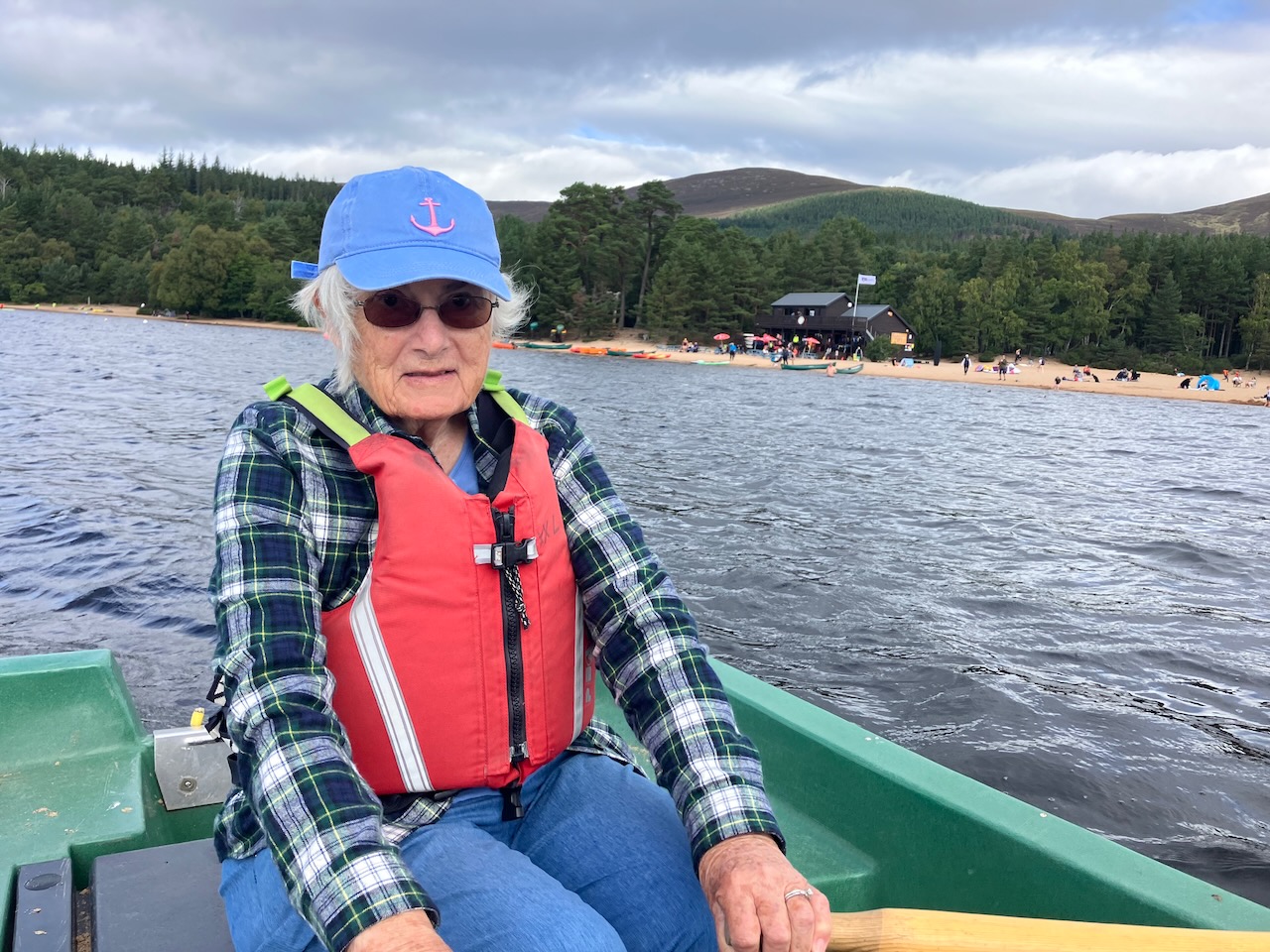
Dipping our oars into Loch Morlich
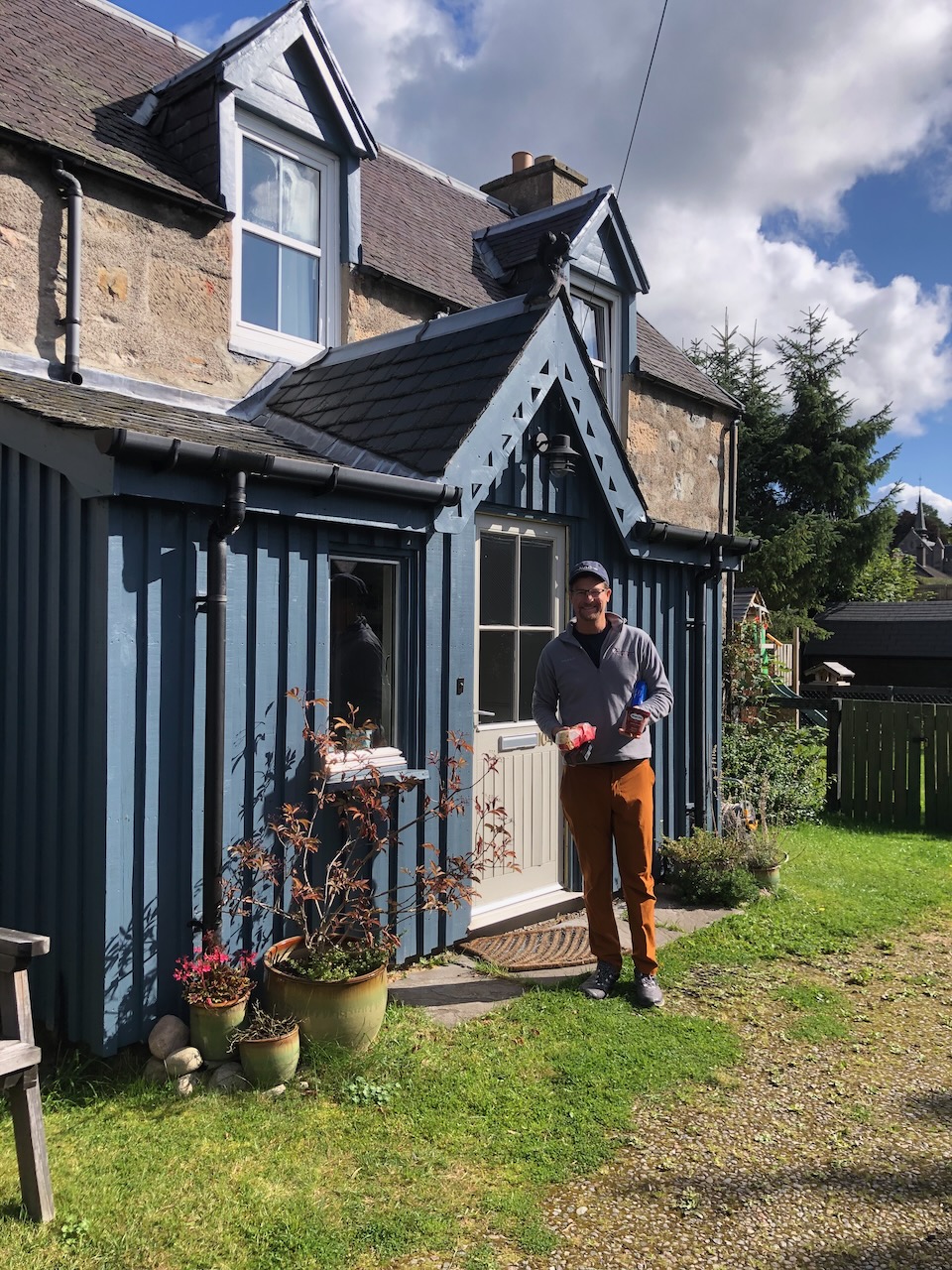
Our AirBnb in Grantown on Spey
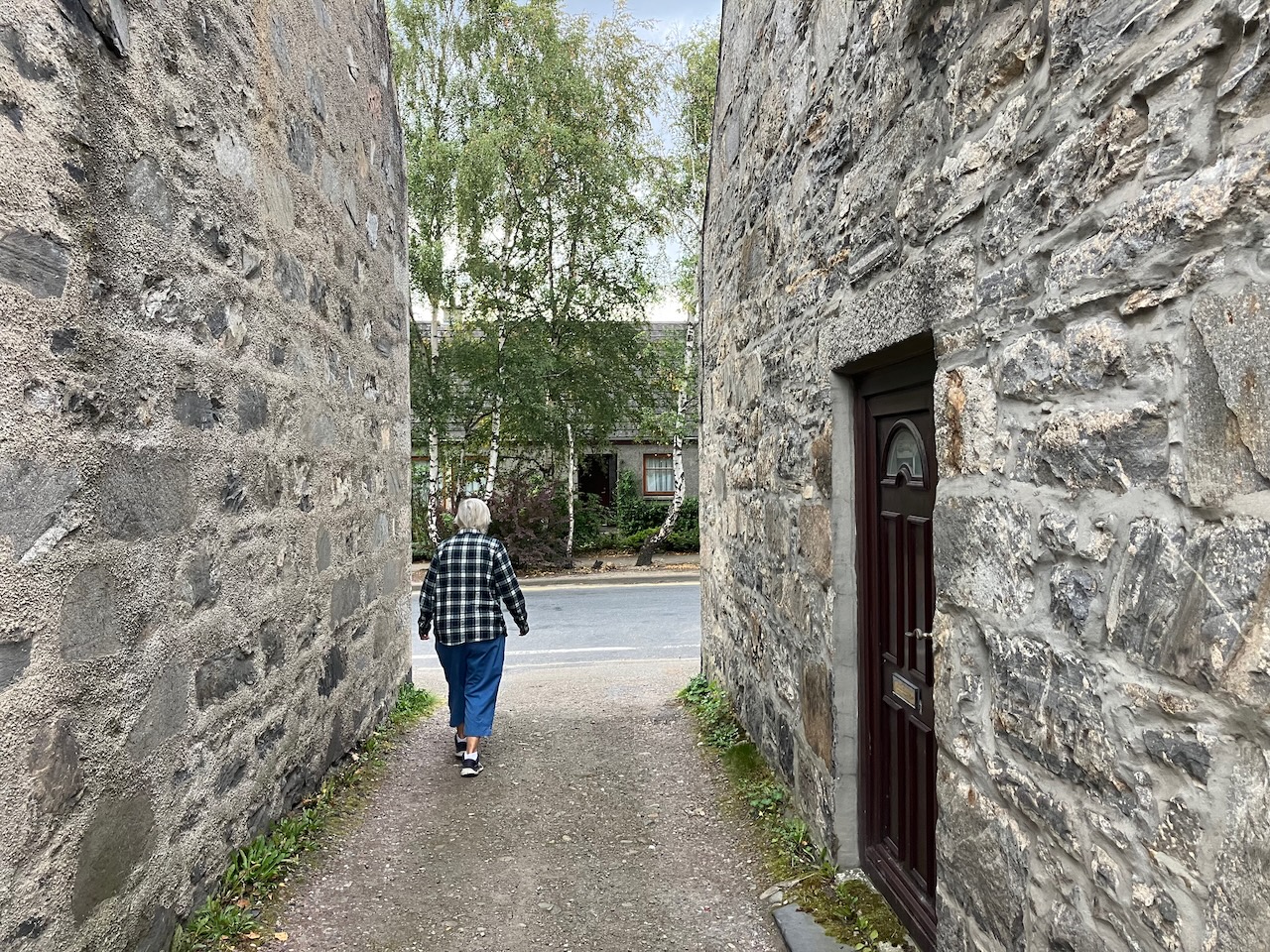
I actually negotiated this ludicrously narrow alley with our rented SUV without damaging car or wall. Not fun.

Alas there was no time for a fitting.
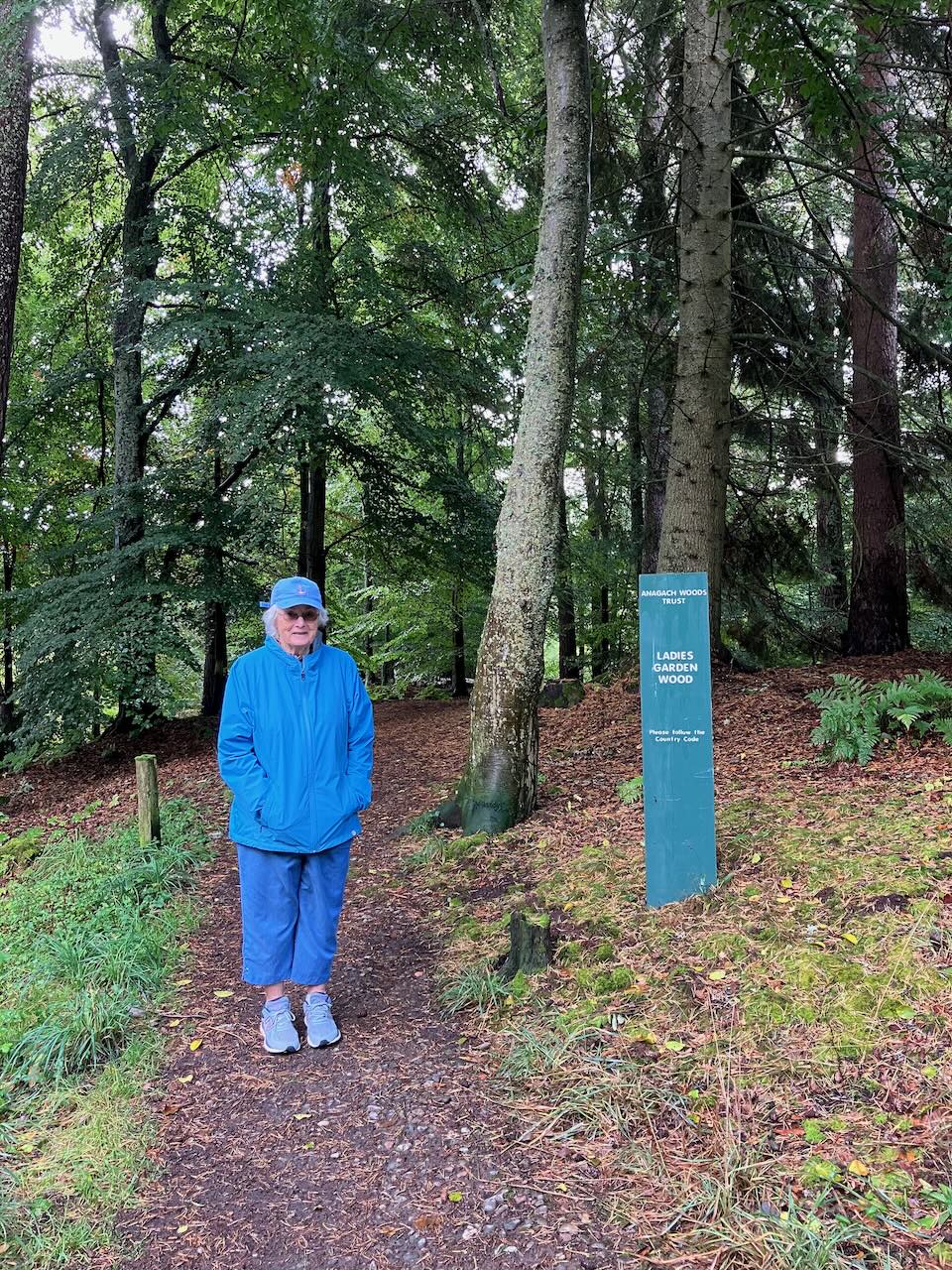
Omi liked the Ladies Garden Wood walk
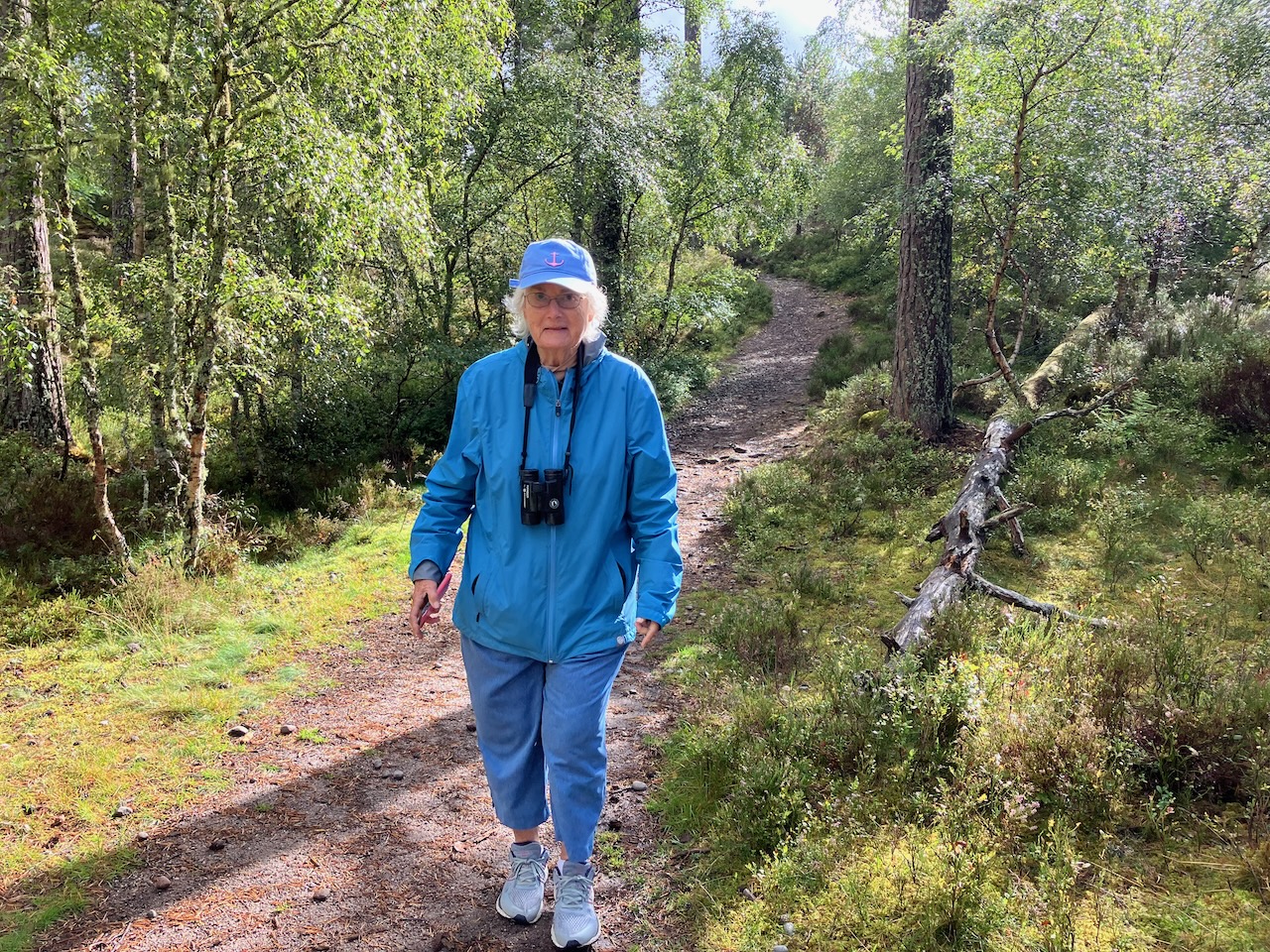
Beautiful woodland hike in Grantown on Spey.
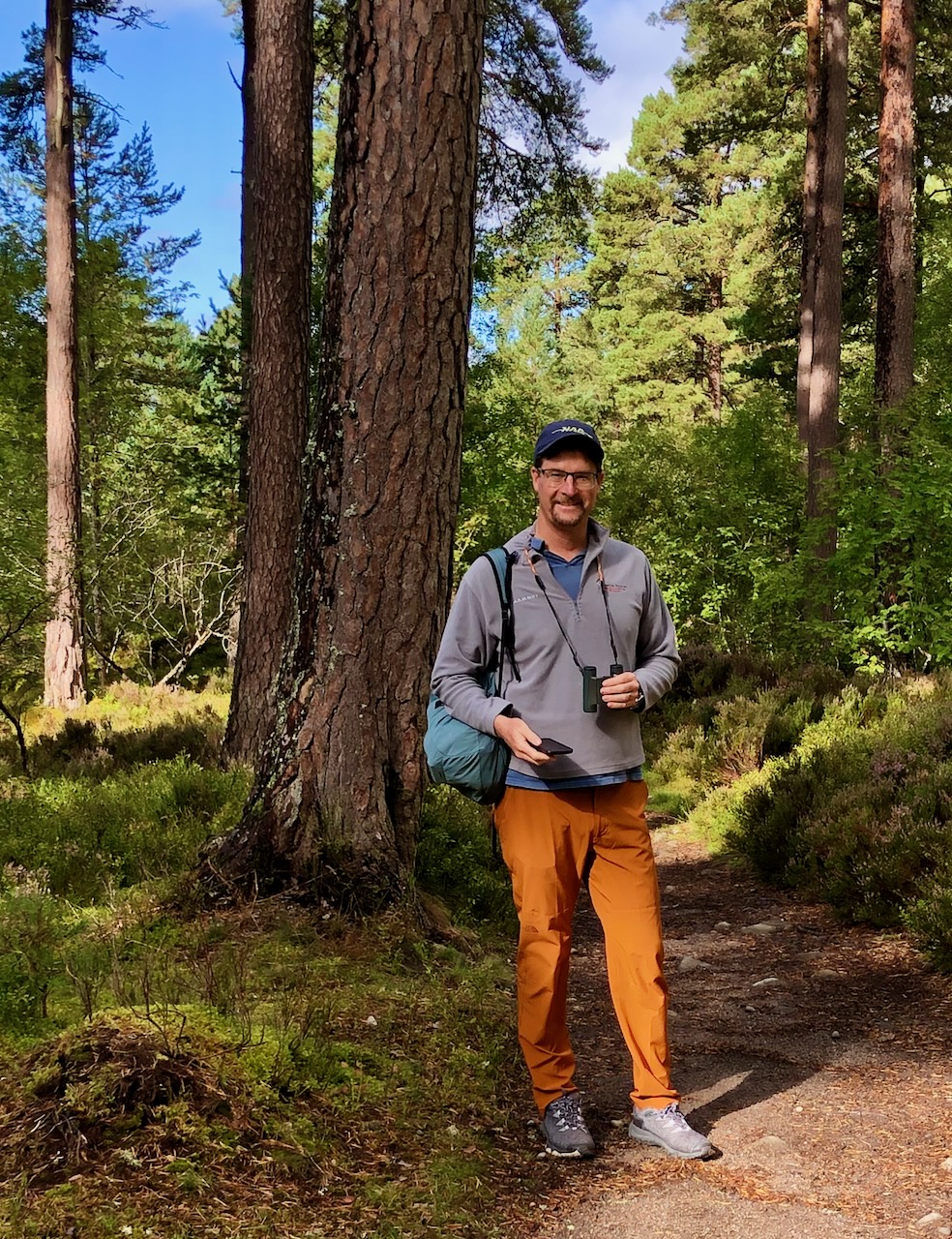
I spotted Scottish crossbills in this sun-dappled pine forest
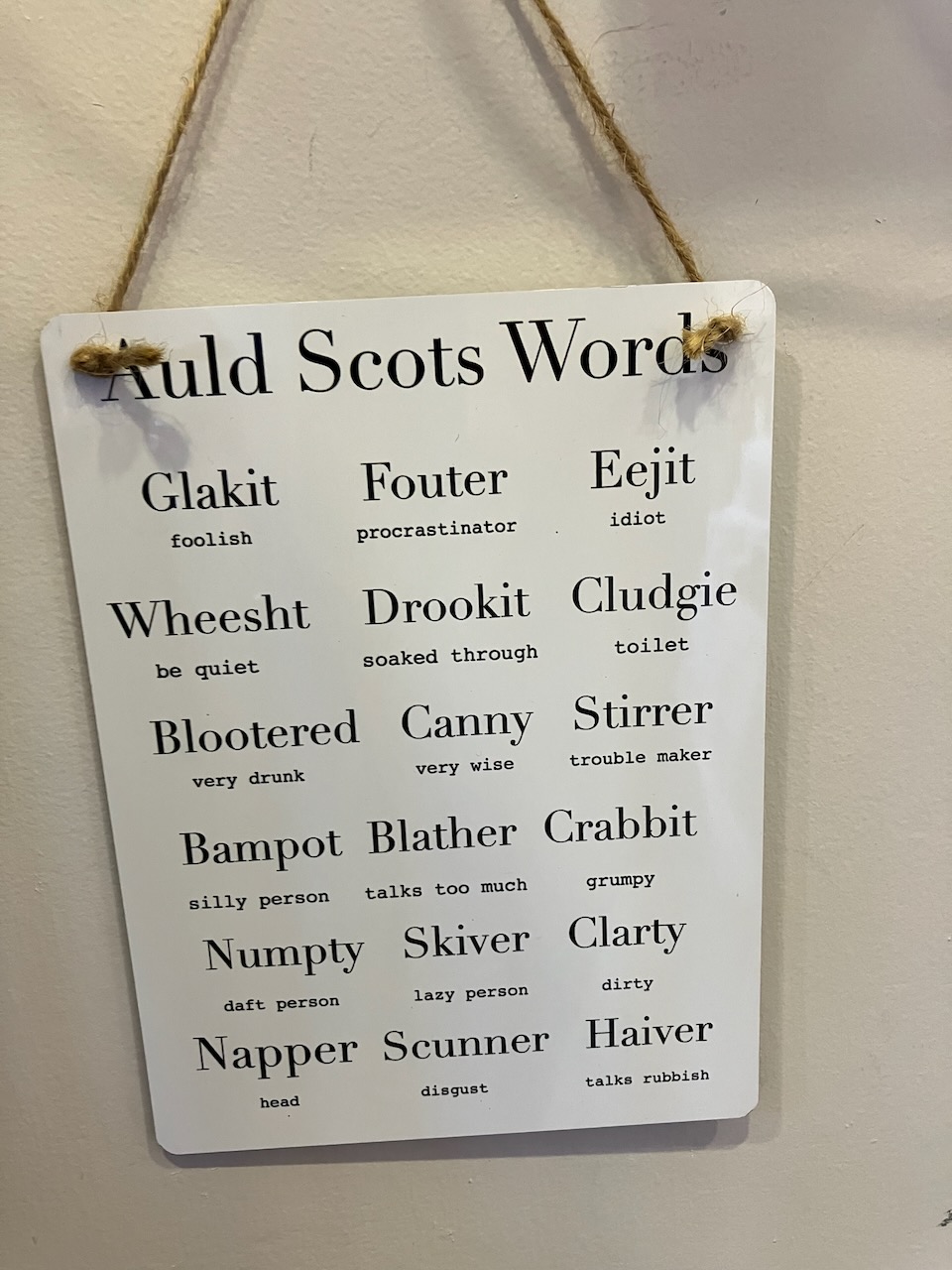
Trying to not be a numpty
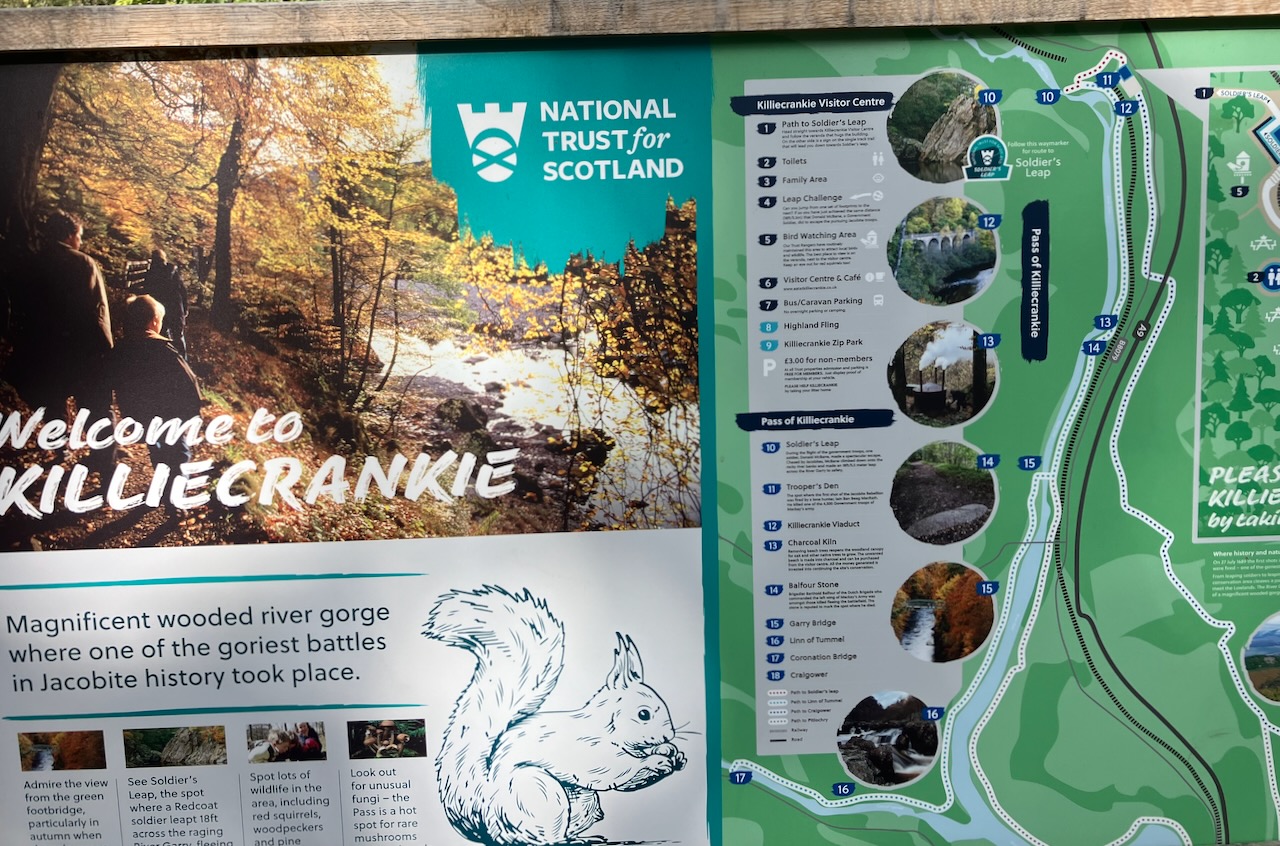
Killiecrankie – our penultimate stop on the drive back to Edinburgh before doing some final shopping in Pitlochry.
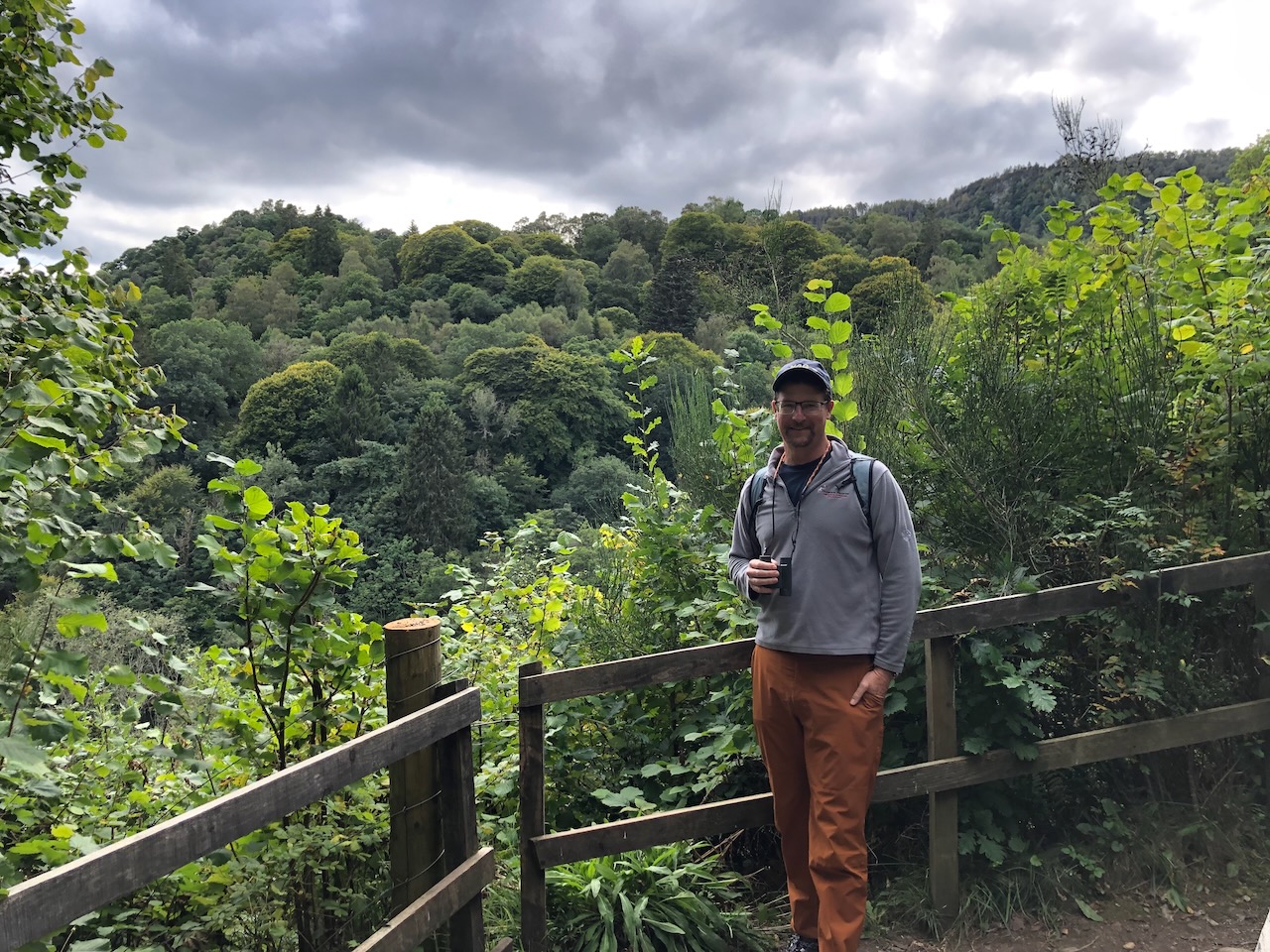
This green gorge was the site of a major Jacobite victory against government redcoats. It is also the first documented use of hand grenades. These looked much like cartoon bombs with fuses. It also was the first likely episode of friendly fire involving hand grenades that rolled back onto the troops who hurled them .

Birding at Killiecrankie

And suddenly, it was over. We returned the rental, made our way through the throngs at Edinburgh International’s security checkpoint, and found ourselves in our Delta airliner. Here we are in row 1, on our way back to Boston.
Fin
 Omi's Travels
Leave a comment